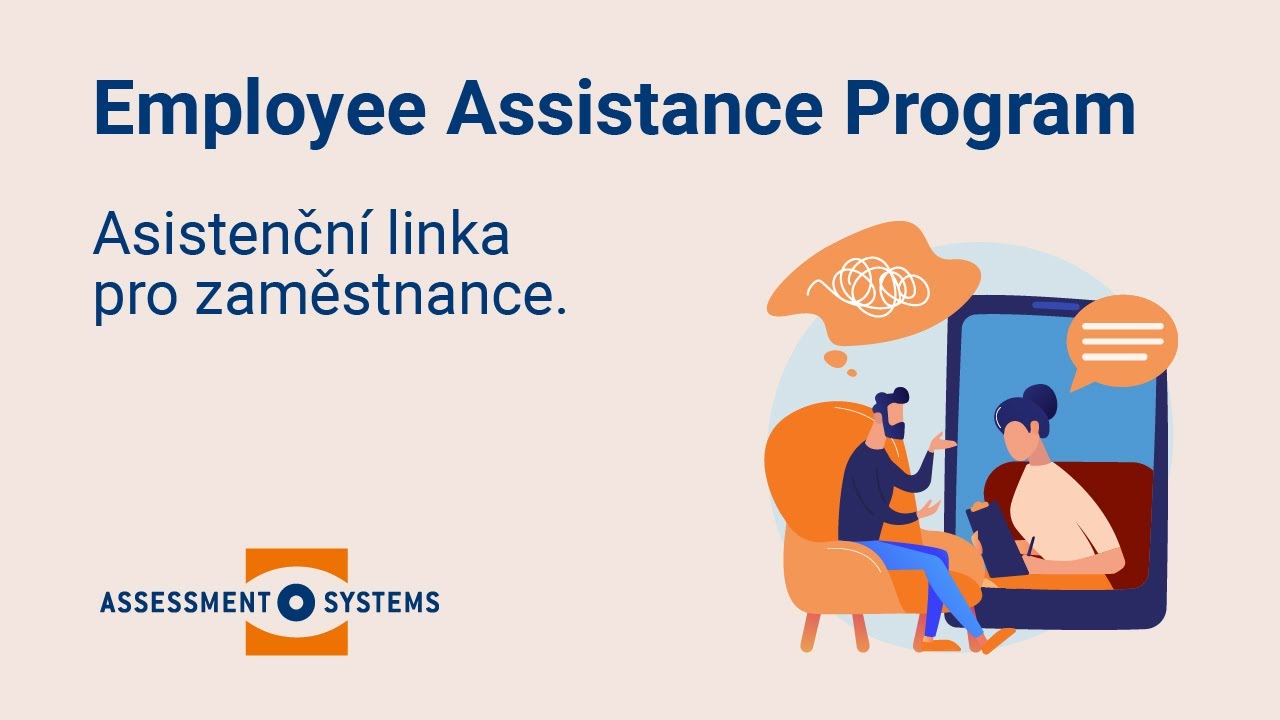
Using an EAP improves employees’ emotional health, increases their resilience and self-confidence, which significantly increases the productivity of the organisation.
Sivan, Sharma,, Rana, Jagdeep & Gupta. (2022). Employee Assistance Program (EAP) to take care od Psychosocial Health of employees of IndianOil during COVID19 pandemic.
Using the EAP reduces absenteeism and work stress. There is a demonstrated increase in work engagement following the use of the EAP program.
Beulah, J., Walker, A. & Fuller-Tyszkiewicz, M. (2017). Evaluating the effectiveness of Employee assistance programmes: a systematic review. European Journal of Work and Organizational Psychology.
Comparing the cost of employee absenteeism and reduced productivity with the cost of an EAP shows that the cost of the EAP is lower by an order of magnitude and more cost-effective. This fact has long been confirmed in peer-reviewed studies from the 1990s to the present.
(Health Assures, 2020) www.healthassured.org www.healthassured.org
If an employee faces stressful situations at work, he or she carries the stress outside the work environment. The EAP can facilitate the creation of a psychological balance between work and personal life. Research shows that when employees perceive that the organization cares about them, their subjective experience of stress in the work environment decreases.
Tsai, H.Y. (2022). The role of job insecurity in emotional exhaustion and work engagement during the COVID-19 pandemic: The moderating effect of organizational reward and care policies (El papel de la inseguridad laboral en el agotamiento emocional y el compromiso laboral durante la pandemia de la COVID-19: el efecto moderador de la recompensa organizacional y las políticas de cuidad o). International Journal of Social Psychology.
Clients using the EAP have long shown a high level of satisfaction after the consultation.
Richmond, Pampel, Wood & Nunes. (2017). The Impact of Employee Assistance Services on Workplace Outcomes: Results of a Prospective, Quasi-Experimental Study. Journal of Occupational Health Psychology.